Project Context
Building Community Society engaged CitySpaces to complete a Needs Assessment to inform the development of a new approach for delivering services in the Downtown Eastside. This draft approach, known as Project Lifeline, is focused on supporting the area’s approximately 300-residents experiencing chronic or recurrent homelessness and living with complex and acute health needs. Project Lifeline is envisioned to be a one- to three-year pilot program focused on addressing gaps, barriers, and systems failures. Building Community Society is committed to securing funding and resources, building partnerships, and better integrating health and housing services to offer long-term solutions for stability and wellness.
CitySpaces' Role
CitySpaces completed an Environmental Scan to understand how the draft service delivery model proposed by the Building Community Society fits within the current landscape of service provision. The review identified opportunities to address existing gaps and barriers, as well as potential areas of duplication or conflict.
In addition to our review of existing policy, programs, and development, our team connected with non-profit housing operators, health providers, and other key agencies that work closely with people living with complex needs. The interviews outlined an approach to engaging with people with lived and living experience of housing precarity, substance use, and mental health challenges. We then met with people experiencing homelessness and health challenges at shelters, drop-in centres, and supportive housing facilities to learn about their experiences. These conversations helped inform our feedback on the proposed Project Lifeline model.
Impact
Through engagement, feedback revealed that the current system and service delivery model fail to adequately address the needs of individuals living with complex needs. Interviews highlighted consistent themes, reflecting significant gaps in housing and health services in the Downtown Eastside:
- Meeting people where they are at and being responsive to their needs;
- Providing evidence-based solutions for substance use disorders;
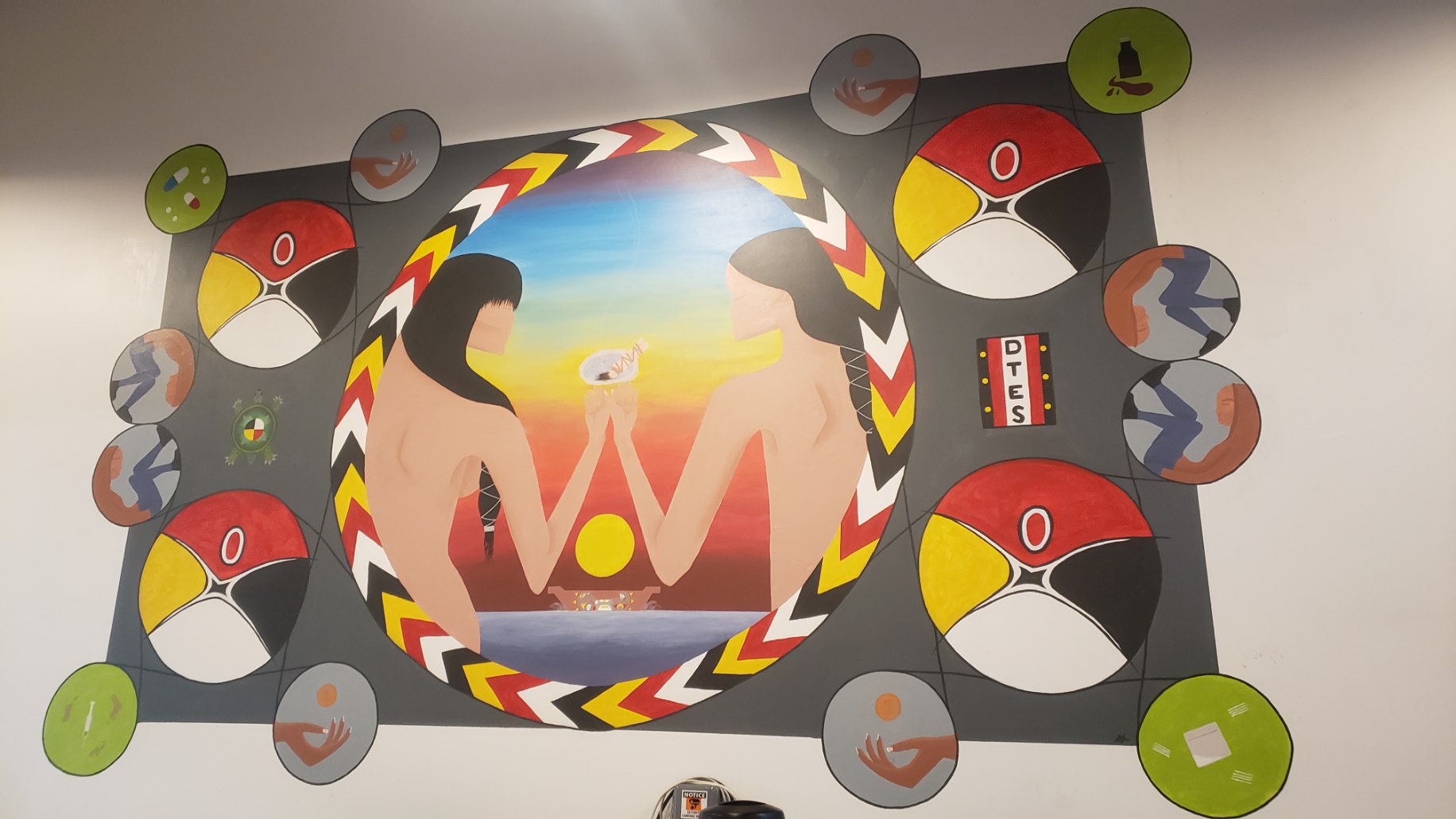
- Facilitating connections to culture;
- Prioritizing supportive housing with integrated health supports;
- Addressing the lack of mental health supports;
- Acknowledging that single room occupancy buildings are inadequate housing; and
- Recognizing that successful housing relies on staffing and relationships.
This engagement allowed the Building Community Society to gain insights into how its draft service delivery model could be refined. Specific feedback was provided on various components of the model to guide its evolution and ensure it better aligns with community needs as it becomes more defined.
Areas of Expertise
Housing + Homelessness Strategy
Facilitation + Engagement
Related Projects